Fire Training
Accredited courses
WHO WE ARE
Established 1979: Member of the Dragon Group of Companies with over four decades of fire protection and security engineering experience.
🏛️
ESTABLISHED
1979
Fire protection engineers with decades of trusted experience.
SAQCC Certified: All technical staff are SAQCC certified with internal training, project induction and ongoing fire protection courses.
✅
SAQCC
CERTIFIED
Qualified technical staff on every installation and service call.
Country Wide: Seven installer teams with reliable company vehicles — prepared to carry out work anywhere in South Africa.
🗺️
COUNTRY
WIDE
Nationwide projects and installations across South Africa.
Fully Equipped: Based at Dragon House in central Durban with administration, receiving, despatch and a fully equipped workshop for any size installation.
🔧
FULLY
EQUIPPED
Central Durban base with a complete workshop and support team.
Trusted Experience: Absa Bank, First National Bank, Nedbank, Gateway Shopping Mall, UKZN, Moses Mabhida Stadium and major hospital upgrades nationwide.
⭐
TRUSTED
EXPERIENCE
Major banks, hospitals, retail and government clients.
Fire Training
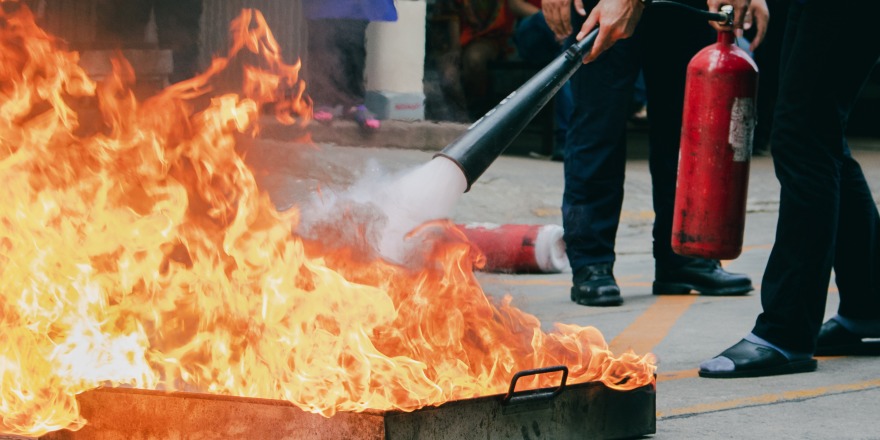
Accredited fire fighting, first aid and occupational health & safety training — certificates issued on completion.
Overview
The fire training course covers the following:
Half Day Course
- Fire Prevention
- Theory of Fire
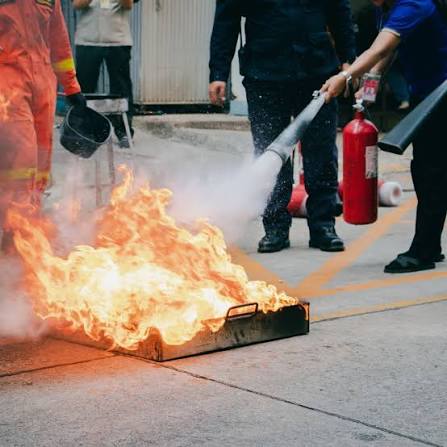
- Practical Fire Fighting
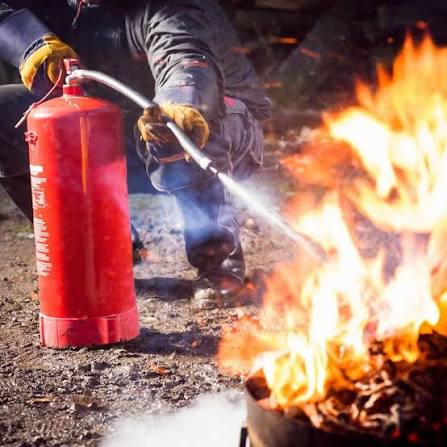
- Use of Fire Extinguishers
- Fire Hose Drills
- Candidates issued with certificate on completion
Advanced Fire Fighter Training also available.
Who Should Attend?
- All Employees
- Fire Team Members
Fire Awareness Course
Course Contents / Outcomes
Fire introduction — the burning process
- Procedure in case of a fire
- The fire triangle
- Extinguishing methods
- Classes of fire
- Getting out alive
- Different extinguishing mediums
- How to operate an extinguisher
- Practical use of a fire extinguisher
Basic Fire Fighting Course
Course Contents / Outcomes
Fire introduction — the burning process
- Procedure in case of a fire
- The fire triangle
- Extinguishing methods
- Classes of fire
- Getting out alive
- Different extinguishing mediums
- How to operate an extinguisher
- Practical use of a fire extinguisher
- Fire Safety — Housekeeping
- Fire prevention
- Company policies and procedures — safety
- The spread of fire
- Containment of fire
- Practical use of hose reels
- Hydrant and hose drills
- Fire blanket and buckets
Advanced Fire Fighting Course
Course Contents / Outcomes
- Fire introduction and the burning process
- Procedure in case of a fire, fire triangle and extinguishing methods
- Classes of fire, getting out alive and extinguishing mediums
- How to operate an extinguisher and practical use
- Rescue carries and establishing fire teams
- Fire Safety — Housekeeping and fire prevention
- Company policies and procedures — safety
- The spread of fire and containment of fire
- Personal protective equipment
- Emergency and evacuation procedures
- Practical use of hose reels, hydrant and canvas hoses
- Hose drills, fire blanket and buckets
Breathing Apparatus Course
Course Contents / Outcomes
- Types of respiratory systems
- Types of breathing apparatus
- Self contained breathing apparatus
- High pressure test and low pressure test
- Donning and doffing
- Changing a cylinder
- Working duration and working in smoke areas
- Safety and communications
- Emergency procedures
Safe Use and Handling of Chlorine
Course Contents / Outcomes
- Product identification and composition
- Hazard identification and personal protection
- First aid measures and fire fighting measures
- Handling and storage
- Disposal considerations
- Interesting facts about chlorine
Safe Use and Handling of LP Gas
Course Contents / Outcomes
- Product identification and composition
- Hazard identification and personal protection
- First aid measures and fire fighting measures
- Handling and storage
- Disposal considerations
- Interesting facts about LP Gas
First Aid Awareness Course
Course Contents / Outcomes
- Principles of first aid
- Emergency scene management
- Artificial respiration (ADULT)
- Cardio pulmonary resuscitation (CPR)
- Choking
- Wounds and bleeding
- Fractures
- Burns
First Aid Level 1
Course Contents / Outcomes
- Principles of first aid
- Emergency scene management
- Artificial respiration (ADULT)
- Cardio pulmonary resuscitation (CPR)
- Choking
- Wounds and bleeding
- Shock, unconsciousness and fainting
- Fractures
- Burns
- Head and spinal injuries
First Aid Level 2
Course Contents / Outcomes
- Principles of first aid and emergency scene management
- Artificial respiration and CPR — 1 and 2 rescuer
- Choking, pelvic and abdominal injury
- Environmental illness and injuries
- Burns and management of foreign objects
- Elementary anatomy and physiology
- Wounds and bleeding
- Shock, unconsciousness and fainting
- Fractures, head and spinal injuries
- Joint injuries and rescue
- Chest, eye and hand injuries
- Multiple injury management
- Poison bites and stings
- Chest pain and paralysis
- Fits/epilepsy and soft tissue injuries
First Aid Level 3
Course Contents / Outcomes
- Principles of first aid and emergency scene management
- Artificial respiration and CPR — 1 and 2 rescuer
- Adult, child and infant resuscitation
- Choking, pelvic and abdominal injury
- Environmental illness and injuries
- Burns and management of foreign objects
- Elementary anatomy and physiology
- Water accidents and ethics related to emergency care
- Wounds and bleeding
- Shock, unconsciousness and fainting
- Fractures, head and spinal injuries
- Joint injuries and rescue
- Chest, eye and hand injuries
- Multiple injury management
- Poison bites and stings
- Chest pain and paralysis
- Fits/epilepsy and soft tissue injuries
- Emergency child birth
- Behavioral emergency
Safety Induction Course
Course Contents / Outcomes
- Employee duties and responsibilities
- Safety in the workplace
- Symbolic signs
- Safe use of workplace equipment
- Personal protective equipment
- Fire, first aid and evacuation
- The employee and the law
- General policies and procedures
General Health and Safety
Course Contents / Outcomes
- Explaining safety, health and environmental requirements in the workplace
- Applying safety, health and environmental responsibilities in the workplace
- Exercising safety, health and environmental responsibilities in the workplace
- Explanation of the essential sections of the act (Act 85 of 1993)
- Learner will be able to explain the importance of these sections relating to their workplace
- Safe workplace procedures
- Effectiveness of procedures and recommended remedial action
SHE Representative Course
Course Contents / Outcomes
- Explain the specific requirements to conduct safety, health and environmental representation activities at a workplace
- Describe the legislative framework of workplace health and safety legislation
- Legislation pertaining to health and safety representatives
- Effect on the duties of the health and safety representatives of health and safety legislation
- Participate in activities within safety, health and environmental structures
- Participate in the actions to address safety, health and environmental issues
Accident / Incident Investigation
Course Contents / Outcomes
- Describing requirements pertaining to conducting investigations into health, safety and environmental incidents
- Selecting approaches to investigations appropriate to specific context
- Gathering of data and interviews
- Recording and reporting of data accurately
Emergency and Evacuation Training
Course Contents / Outcomes
- The purpose of an emergency plan and preplanning
- The emergency scene and zone sweep
- Types of emergencies and specific emergencies and responses
- Communication channels
- General evacuation and duties
- Emergency response personnel, authorities and responsibilities
- The person discovering the incident
- Emergency controller and communications controller
- Zone marshal, fire team leader and fire team member
- First aid team leader and first aider
- Deputies and the evacuation
- Emergency drill — role play exercise
Training Gallery